
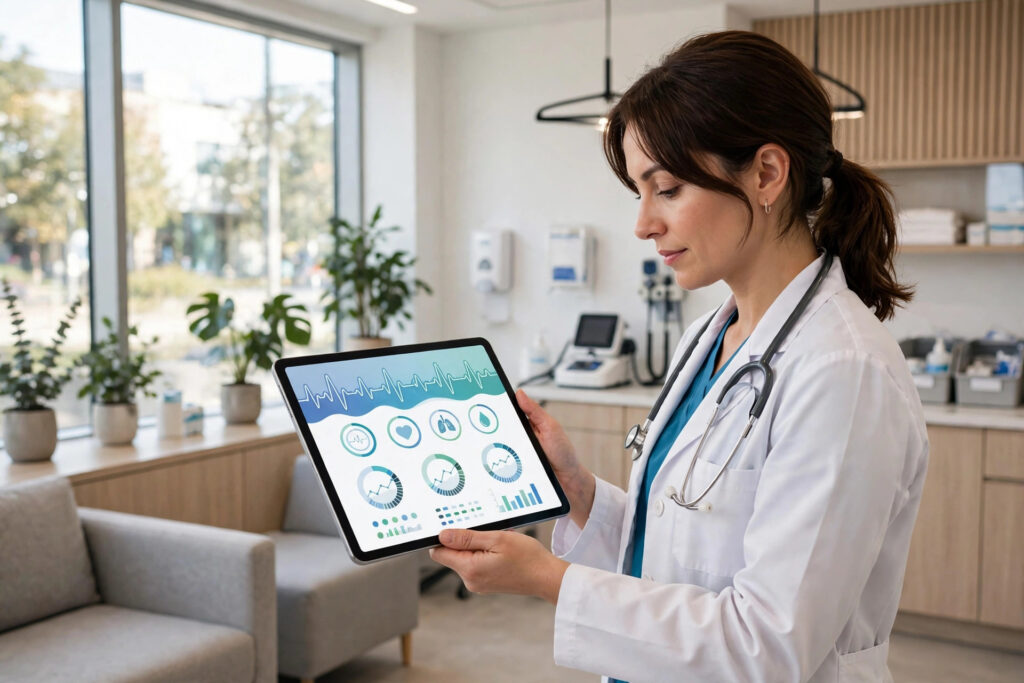
Health technology is quietly reshaping psychiatric care. Behind the scenes of every modern practice, digital tools now help providers evaluate symptoms more precisely, track treatment progress, and stay connected with patients between visits. For patients in Texas and beyond, these advances mean more personalized, responsive, and convenient mental health care than ever before.
This article looks at the health technology tools that genuinely support psychiatric treatment today — what they do, how they help your provider help you, and what to keep in mind as technology continues to evolve.
Electronic Health Records and Coordinated Care
Modern electronic health records (EHRs) give your psychiatric provider a complete, organized picture of your history: past evaluations, treatment responses, screening scores, and notes from prior visits. This matters more than it might sound. When a provider can see exactly how you responded to a previous treatment approach, they can make better-informed decisions about next steps — instead of starting from scratch at every appointment. Secure EHR systems also make it easier to coordinate with your primary care doctor or therapist, so everyone involved in your care is working from the same information.
Measurement-Based Care: Tracking What Matters
One of the most meaningful uses of health technology in psychiatry is measurement-based care — the routine use of validated questionnaires to track symptoms over time. Many practices now use digital screening tools that patients complete before or between appointments. These brief, standardized measures turn subjective impressions into trackable data: Is your sleep improving? Are panic episodes less frequent? Is focus better at work? When both you and your provider can see the trend, treatment adjustments become more precise and timely, rather than relying on memory alone.
Telehealth Platforms and Remote Monitoring
Secure telehealth platforms have become a cornerstone of modern psychiatric care, using encrypted video to deliver full-quality appointments to patients at home. Beyond video visits, some practices use remote monitoring tools — for example, brief digital check-ins between appointments or app-based mood logs that feed directly into your chart. For busy Texans balancing work, family, and long distances, these technologies remove some of the biggest barriers to consistent care: travel time, scheduling conflicts, and time away from responsibilities.
What Technology Can’t Replace
For all its benefits, health technology is a tool — not a treatment in itself. No app or algorithm replaces the clinical judgment of a trained provider who listens to your story, notices what a questionnaire might miss, and builds a therapeutic relationship with you over time. The best outcomes come from combining thoughtful technology with human expertise: data informs the conversation, but the conversation — and the trust behind it — is where healing happens. Be cautious of any product that promises diagnosis or treatment without a licensed professional involved.
Frequently Asked Questions
Is my health information safe with digital tools? Reputable practices use HIPAA-compliant systems with encryption and strict access controls. It’s always reasonable to ask your provider how your data is stored and protected.
Does using health technology mean fewer personal appointments? Not necessarily. Technology usually makes appointments more productive — your provider arrives already informed — rather than replacing the personal connection at the heart of good care.
Experience Modern, Thoughtful Psychiatric Care
The right tools, in the right hands, lead to better care. Schedule a consultation with our Texas psychiatry practice to experience treatment that combines modern health technology with genuine, personalized attention.
This article is for informational purposes only and is not a substitute for professional medical advice, diagnosis, or treatment. If you are in crisis, call or text 988 for immediate help.