

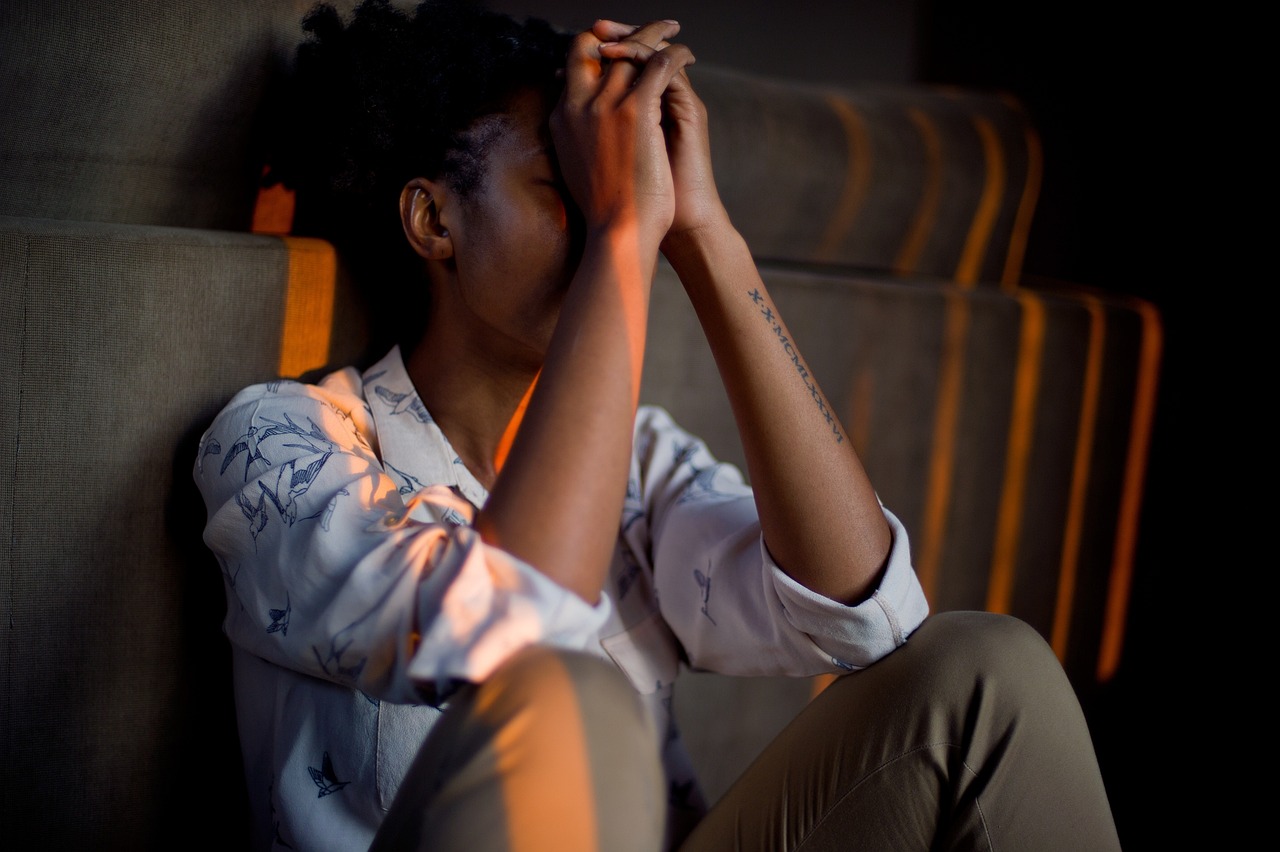
Mental health is a crucial issue that affects everyone, regardless of gender. Yet, when it comes to men, an imbalance persists. Too often, stereotypes about masculinity prevent men from seeking help, which can have dramatic consequences. It’s time to break this taboo.
 A disturbing reality
In Canada, approximately 75% of suicides are committed by men, out of a total of about 4,000 deaths annually (Mental Health Commission of Canada, 2022). In the Chaudière-Appalaches region, men are also three times more likely to die by suicide than women, particularly men between the ages of 40 and 69 (CISSSCA, 2023). This alarming statistic raises a fundamental question: why do so many men suffer in silence?
Barriers to expression
Several factors contribute to the difficulty men have in seeking help:
- The traditional masculine model: The idea that men must be strong, stoic, and not show their emotions is still deeply ingrained. The traditional masculine model values the provider and protector, the strong and independent man. Being emotional, sharing one’s difficulties, discomforts, and doubts does not fit with a rigid vision of traditional masculinity.
- The demands of asking for help: Asking for help often involves acknowledging a difficulty or weakness and showing vulnerability, which conflicts with this model. Men are asked to talk about their emotions, while their socialization tells them that “a man doesn’t cry.”
- Fear of judgment: Many men fear being perceived as weak or “less manly” if they talk about their emotions. This can also contribute to negative self-judgment and feelings of shame.
- Less access to care: Men are statistically less likely to consult a mental health professional. Men adhering to traditional norms of masculinity are less likely to seek help (Mahalik et al., 2003).
A large proportion of frontline healthcare providers in the health and social services system are women, and men consult less, use services less, and services are also less adapted to their way of expressing themselves, such as decoding modes of expressing emotions (Government of Quebec, 2004).
Evolving Male Role Models
In recent years, several other male role models have emerged. The alpha male movement is one that has gained widespread recognition in Quebec. Télé-Québec produced a documentary, “Alpha: Meeting the Masculinist Influencers,” which explains this type of masculinity and its underlying principles, such as a return to traditional values, the subjugation of women versus male power, and the pursuit of financial and physical success.
Researchers from the University of Montreal report another type of masculinity called “sigma” that is spreading via the TikTok network, where respect and gender equality are unfortunately being abandoned (UdeM, 2025). This model promotes independence, self-confidence, and sexism.
Masculinities evolve over time, as do their ways of influencing and impacting the socialization of young people. These models, however, seem to run counter to the need for help. Being able to talk about suicidal thoughts, distress, and difficulties allows access to various forms of support from those around them. This social support can make a significant difference in reducing suicide deaths (Houle, Mishara, and Chagnon, 2005).

