

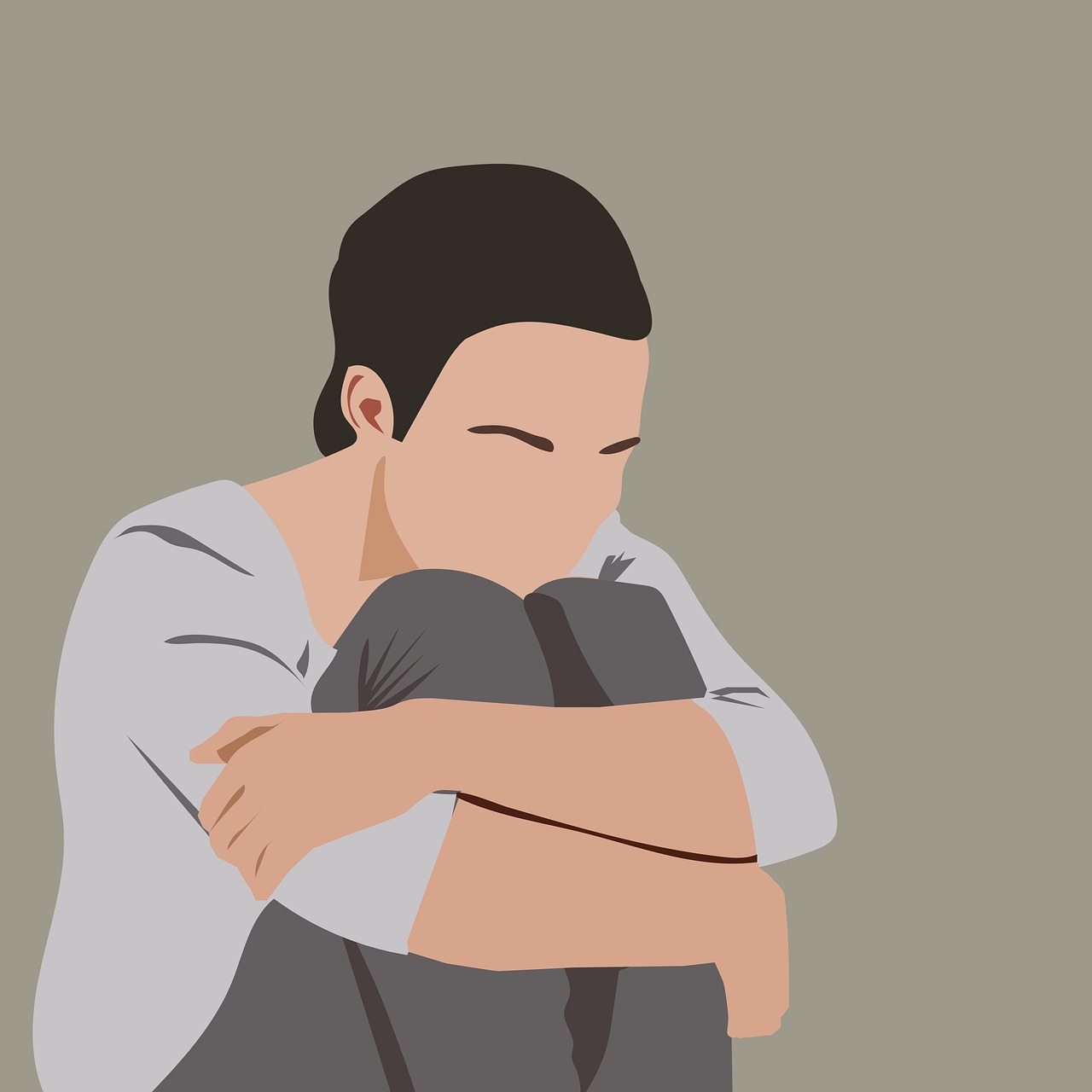
Being a parent means giving unconditionally, loving immeasurably… and sometimes losing yourself along the way. While parenthood is a wonderful adventure, it can also put a strain on mental health. In the Chaudière-Appalaches region, 29% of parents used at least one parenting support service (for example, respite care or a telephone helpline) in the past year (Institut de la Statistique du Québec, 2025), indicating that many parents are actively seeking support to better cope with the challenges of daily life. Between fatigue, mental load, and guilt, how can you find a balance between taking care of your children and yourself?
 Contemporary challenges of parenthood
Chronic fatigue : Lack of sleep, especially in the early years, impairs emotional regulation.
Mental load : This invisible stress means we constantly have to think about everything: managing family logistics, schedules, medical appointments, homework… all while working. It’s as if our brains are constantly multitasking, never truly resting (INSPQ, 2020; Damien, 2018). Approximately one in four parents reports having a very demanding lifestyle, according to the Quebec Survey on Parenthood (Institut de la statistique du Québec, 2023).
Constant guilt : A feeling of never doing enough, or of doing too much (Naître et grandir, 2014). Nearly half of parents put pressure on themselves about how they care for their children (Institut de la statistique du Québec, 2023).
Parental burnout : Intense distress related to parenthood that manifests itself in three ways: physical and emotional exhaustion, emotional disengagement, and loss of parental efficacy.
In general, Quebec parents have a generally positive perception of their health. However, according to the Quebec Survey on Parenthood, approximately one in ten parents considers their health to be fair or poor. This perception varies according to several social determinants, including socioeconomic status and family structure. For example, this proportion reaches 16% among single parents and climbs to 19% among those who are unemployed. Parents who perceive their mental health as poorer also report higher levels of parental stress, less spousal support, and a less active social network (Institut de la statistique du Québec, 2024). Thus, certain protective factors can promote more peaceful parenting. These include social support, the quality of the couple’s relationship, a good work-life balance, and positive coping strategies.
6 concrete ways to take care of yourself as a parent
- Teamwork, not carrying the burden alone: Whether with a partner, loved ones, or a support network, delegating is essential. There’s no medal for those who work themselves to exhaustion in silence (Naître et grandir). Furthermore, involving others in children’s lives has positive impacts on their own development!
- Don’t compare yourself to others: You may find yourself constantly comparing your experience to that of other parents or friends, which only leads to frustration and anxiety. Another parent’s life will never be the same as yours, and every family has its own unique challenges and triumphs.
- Create time for yourself — even short periods : A walk, a cup of tea in silence, 10 minutes of reading… These micro-breaks recharge you much more than you think.
- Maintaining social connections: Talking with someone who understands or is going through the same stages can be extremely liberating.
- Saying no to overload: Refusing an activity, a meeting or an invitation is sometimes saying yes to your mental health.
- Remember that taking care of yourself also means taking care of your children: Showing your children that you take care of your mental health is passing on an essential skill for their own future.

