

What does sophrology involve in winter?
Sophrology is a relaxation and personal development method that can be particularly beneficial for anyone seeking to manage anxiety. This practice combines breathing techniques, muscle relaxation, and positive visualization to help calm the mind and body. By integrating sophrology into their daily routine, people can learn to better manage their emotions and cope with stressful situations more calmly.
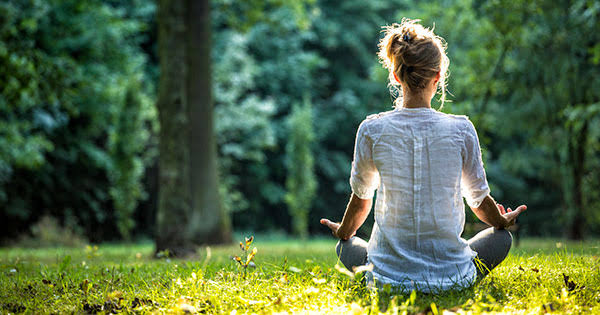
One of the main advantages of sophrology is that it provides concrete tools for regaining calm and concentration. For example, simple breathing exercises can be done anywhere, whether before a school exam or a work presentation. (It can even be done without anyone noticing!)
Furthermore, sophrology encourages self-awareness, allowing people to recognize their sensations and thoughts without judgment, which is essential for reducing anxiety. The motto of this practice is: “So that consciousness may be known.”
To use a visual analogy, sophrology can be seen as a magical train driver at the controls of your own. The train travels through your body, helping you discover what’s happening within you, better understand the world around you, and thus achieve better self-regulation.
Suggested exercises
Sophrology can be applied practically through a logical sequence of simple and accessible exercises. Here is an example that unfolds in three consecutive steps:
- Breathing exercise : First, a person can practice “abdominal breathing” to calm their anxiety. To do this, they sit comfortably, place one hand on their stomach and the other on their chest. While inhaling deeply through their nose, they should feel their stomach expand, then exhale slowly through their mouth, imagining that the anxiety is leaving. They repeat this exercise for a few minutes, which can help reduce stress.
- Positive visualization : While breathing, a person can imagine themselves in a calm and soothing place, such as a beach, a garden, or a forest (depending on their interests). They close their eyes, take a few deep breaths, and then visualize every detail of this place, focusing on the sounds and sensations. This technique helps create a positive state of mind.
- Muscle relaxation : To release accumulated tension, the person finishes with a progressive muscle relaxation technique. They begin by focusing on their feet, contracting them for a few seconds, then releasing. They gradually move up the body, passing through the legs, stomach, arms, and finally the face. This allows them to become aware of the tension and release it.
